

Air Jordan 4 Retro: Why Sneaker Devotees Can’t Get Enough
One of the most prized models in the sneaker world, the Air Jordan 4 Retro attracts notice from serious and casual sneaker fans alike. First introduced in 1989, the AJ4 was designed by the renowned Tinker Hatfield and emerged as the first Jordan sneaker to gain major global recognition. After more than three decades, the silhouette still manages to command secondary markets, with select releases commanding amounts that break $2,000 on platforms like StockX and GOAT. The blend of signature design features, limited supply, and powerful cultural bonds to Michael Jordan’s legacy produces an unceasing wave of demand. In 2026, the Air Jordan 4 Retro stays a staple of any serious shoe collection. Understanding why this particular model holds such sustained influence necessitates a careful look at its design DNA, cultural influence, and market dynamics.
The Design That Distinguished an Era
Tinker Hatfield took design cues from military and utility aesthetics when developing the Air Jordan 4, a shift from the sleeker lines of its earlier models. The silhouette brought transparent Air technology in the heel, mesh paneling on the top portion for airflow, and unique structural wing eyelets that evolved into the model’s hallmark feature. These styling decisions were unprecedented in 1989, merging performance basketball technology with off-court aesthetics in a way never before seen in footwear. The midsole incorporates a polyurethane blend that provides top-tier impact protection when measured against standard EVA foam, lending the sneaker authentic playing performance in addition to its visual allure. The rubber outsole with a jordan shoes herringbone traction pattern delivers multidirectional traction that remains solid even by today’s measures. Every aspect of the Jordan 4’s build serves a dual role — athletics and aesthetics — which is precisely why the sneaker has held up so well over 37 years.
The Colorways That Rule the Market
Not every Air Jordan 4 Retro releases possess equal weight in the secondary market, and recognizing the ranking of releases is crucial for any serious sneakerhead. The “Bred” version is universally recognized as the standard edition, with unworn sets from original releases selling for more than $1,500 on aftermarket platforms. The “White Cement” version, iconically sported by Michael Jordan during the 1989 NBA All-Star Game Dunk Contest, perpetually falls within the top five most sought-after Jordans of all time. Off-White collabs with fashion visionary Virgil Abloh launched the Jordan 4 into the luxury streetwear realm, with the “Sail” release climbing to typical aftermarket prices above $2,200. Restricted regional releases from labels like Union LA have further expanded the colorway ecosystem, producing niche markets within the broader Jordan 4 fan base. Every edition narrates a different chapter of the shoe’s story, and savvy sneakerheads watch drop schedules diligently to secure shoes at retail price before premiums climb.
| Colorway | Original Release | Avg. Resale Price (2026) | Collector Tier |
|---|---|---|---|
| Bred (Black Cement) | 1989 | $450–$1,500 | Grail |
| White Cement | 1989 | $380–$1,200 | Grail |
| Off-White “Sail” | 2020 | $1,800–$2,500 | Ultra Grail |
| Military Blue | 1989 | $250–$400 | High |
| Fire Red | 1989 | $220–$380 | High |
| Union LA “Guava Ice” | 2020 | $800–$1,100 | Grail |
Cultural Impact Beyond Basketball
The cultural reach of the Air Jordan 4 reaches far beyond the hardwood, establishing itself within film, music, and the fashion world in ways few sneakers have ever managed. Spike Lee’s memorable character Mars Blackmon reinforced Jordan Brand’s ties to the hip-hop community, and the AJ4 made a notable appearance in the 1989 film “Do the Right Thing,” bestowing the shoe cinematic immortality. Travis Scott’s long-running partnership with Jordan Brand, which includes several AJ4 launches, has introduced the design to an fresh generation of enthusiasts who may never have watched Michael Jordan on the court. The shoe has been name-dropped in a multitude of rap songs, from Nas to Drake, confirming its standing as a cultural icon that surpasses sports shoes. Fashion designers have drawn inspiration from the AJ4’s thick midsole and industrial details, impacting broader trends in high-end sneaker aesthetics at maisons like Balenciaga and Bottega Veneta. In the streetwear world, lacing up a exclusive pair of Jordan 4s communicates cultural literacy that few other sneakers can replicate.
Resale Economics and Investment Potential
The sneaker resale market has grown into a multi-billion-dollar industry, and Air Jordan 4 Retros consistently count among the most rewarding purchases a sneakerhead can make. Based on data from StockX, Jordan 4 launches have posted a 65% price premium over retail within the first 12 months of release over the previous five years. Scarce releases regularly are snapped up within a matter of minutes on the SNKRS app, with select drops seeing over 500,000 entries for less than 50,000 available pairs. Nike deliberately constrains production quantities on classic editions to sustain rarity and brand reputation. Size runs matter significantly — men’s sizes 9 through 11 pull the top markups due to concentrated demand, while outlying sizes trade at modest markdowns. Enthusiasts who buy at retail price ($210–$225 for base releases in 2026) and keep for 12 to 18 months can realistically anticipate ROI that outperform many standard financial instruments.
Authentication and Condition Grading
With secondary market prices escalating, the fake trade for Air Jordan 4 Retros has become notably sophisticated, rendering legit checking a indispensable competency for collectors in 2026. Counterfeit producers now turn out fakes that can mislead casual observers, mimicking components, thread work, and even product packaging with unsettling exactness. Professional verification services from providers like GOAT and CheckCheck leverage a mix of AI photo analysis and expert human inspection to verify authenticity. Essential verification points on the AJ4 include the consistency of the net material on the lateral panels, the depth of the Jumpman symbol on the heel pull, and the evenness of the midsole painting. Rating condition plays a crucial part in dictating price — a pair assessed as “deadstock” will earn a 40% to 80% premium over a pair classified as “very near deadstock.” Discoloration of the midsole can reduce the worth of vintage models by 20% to 35%, turning careful storage in temperature-regulated spaces essential.
Building a Jordan 4 Collection in 2026
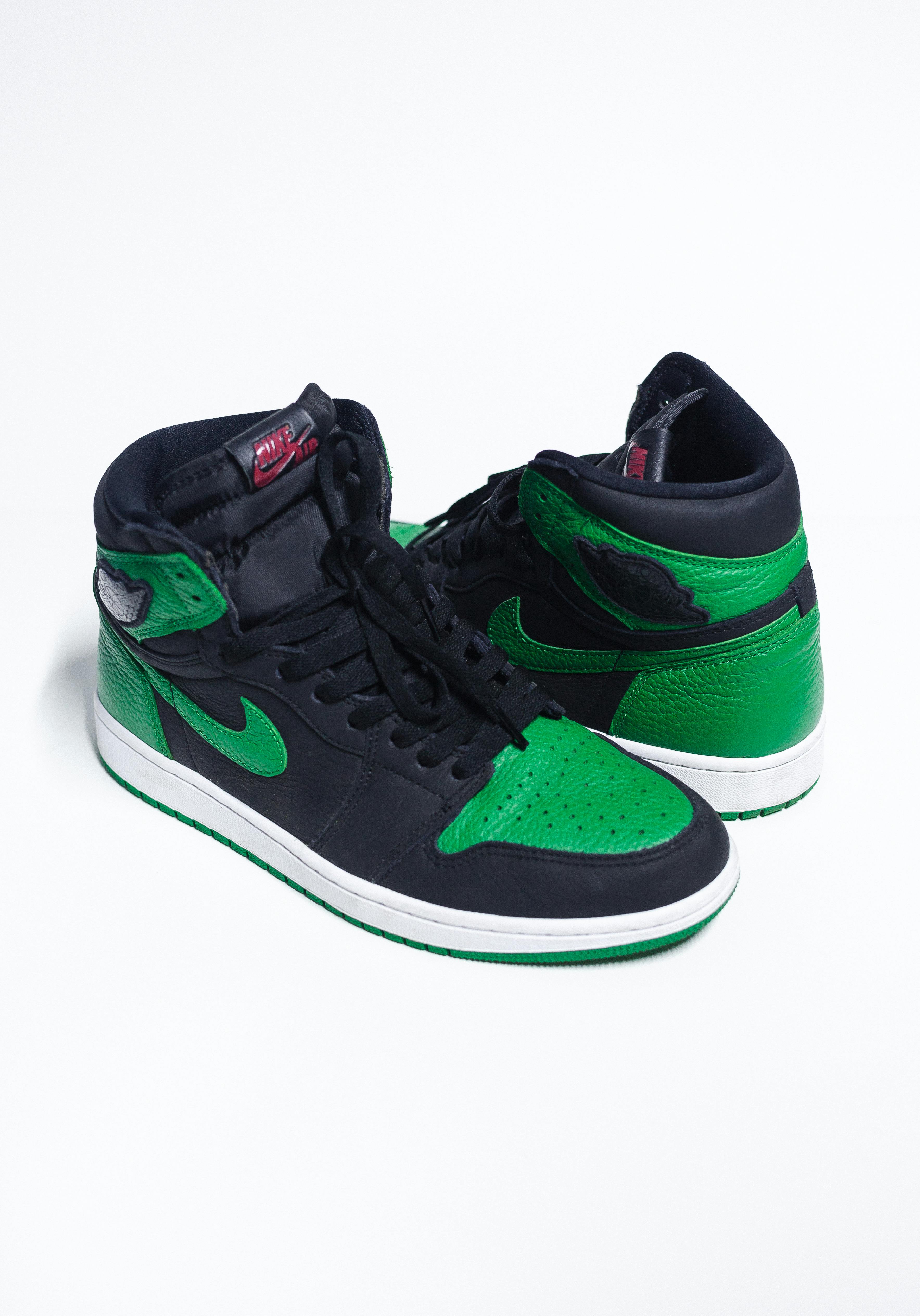
For enthusiasts stepping into the Jordan 4 market in 2026, a strategic strategy can deliver both personal satisfaction and reliable profit without necessitating an large upfront cost. Starting with GR pairs at retail price builds essential knowledge of the silhouette’s fabrics, comfort, and build quality before investing in more expensive limited releases. Tracking Nike’s SNKRS app, monitoring well-known leak pages on Instagram and Twitter, and participating in regional sneaker communities can supply advance notice on future releases. The middle-range range between $250 and $500 delivers exceptional bang for your buck — releases like “Military Blue” provide solid street cred without thousand-dollar prices. Being patient is likely the most useful tool, as asking prices on select colorways dip 10% to 15% after opening frenzy before evening out. Buying from different eras forms a complete collection that reflects the complete history of the Air Jordan 4.
Closing Thoughts on the Air Jordan 4 Retro Legacy
Persisting as a fan favorite, the Air Jordan 4 Retro lives at the ultimate intersection of innovative engineering, cultural significance, and limited supply. Tinker Hatfield crafted a shoe in 1989 that outgrew its era, and Nike has skillfully guided its history through strategic retro launches and marquee joint projects. Whether you are pulled toward the AJ4 for its investment value, its deep roots in basketball and rap culture, or merely because it looks amazing on foot, there is no questioning the model’s unique place in sneaker culture. The demand remains relentless as new waves of fans explore the shoe. In a market packed with new models every seven days, the Air Jordan 4 Retro consistently elevates beyond the chaos. If you have yet to have slotted a pair to your rotation, 2026 is as compelling a time as any to get started.
