

Understanding the psychological effects of gambling on mental health
The allure of gambling
Gambling offers a unique blend of excitement and risk, appealing to individuals across various demographics. This allure often stems from the promise of quick financial gain, which can be particularly enticing in a world where financial stability is a constant concern. Many people view gambling as a means to escape everyday pressures, leading them to indulge in activities like poker, blackjack, or slot machines as a form of entertainment. Engaging with resources like browinner-au.com can provide additional insights into responsible gambling practices.
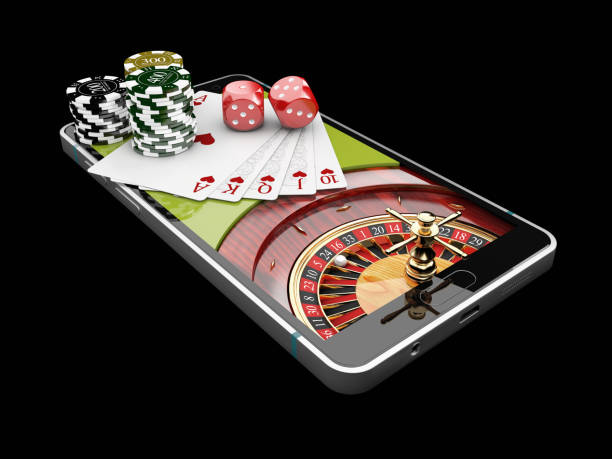
However, the thrill of winning can quickly escalate into a compulsion, as the brain releases dopamine—a neurotransmitter associated with pleasure and reward—during gambling activities. This biochemical response may create a cycle where individuals continually seek that euphoric feeling, leading to increased bets and, ultimately, risky behavior. Understanding this psychological pull is crucial for recognizing the potential for developing gambling-related issues.
The desire for social acceptance can also drive people toward gambling. Many individuals participate in gambling as a social activity, bonding over shared experiences in casinos or online platforms. This communal aspect can blur the lines between casual fun and serious gambling, making it difficult for some to recognize when their behavior becomes problematic. As such, addressing the psychological motivations behind gambling is essential for comprehending its effects on mental health.
The impact of gambling on mental health
Engaging in gambling can lead to a range of mental health issues, including anxiety, depression, and stress. The highs and lows of gambling can create emotional instability, making individuals susceptible to mood swings and mental fatigue. For instance, the excitement of winning can be quickly followed by despair after losses, amplifying feelings of hopelessness and anxiety. This rollercoaster effect can disrupt daily life and impair personal relationships.
Moreover, studies have shown a significant correlation between problem gambling and mental health disorders. Individuals with pre-existing anxiety or depression may turn to gambling as a coping mechanism, further exacerbating their conditions. Consequently, the psychological toll can be profound, leading to a vicious cycle where gambling becomes a means of escape but ultimately worsens mental health outcomes.
It’s crucial to understand that the impact of gambling on mental health is not solely restricted to those with gambling disorders. Casual gamblers may also experience stress and anxiety related to their gambling habits. Financial losses can lead to feelings of guilt and shame, which may contribute to a decline in self-esteem and overall mental well-being. Recognizing these mental health implications is vital for promoting a healthier approach to gambling.
Addiction and compulsive behaviors
Gambling addiction, also known as compulsive gambling, can have devastating effects on mental health. Individuals suffering from this condition often find it difficult to control their gambling habits, leading to negative consequences in their personal and professional lives. This inability to stop can lead to increased feelings of guilt, isolation, and frustration, further complicating their mental health issues.
The brain’s reward system can become hijacked in individuals with gambling addiction. As they chase losses or seek the thrill of winning, the habitual nature of their behavior can reinforce the addiction, making it harder to break free. This creates a cycle that is incredibly challenging to escape, often necessitating professional intervention for recovery. Understanding the neuroscience behind this addiction is essential for developing effective treatment strategies.
Moreover, the stigma surrounding gambling addiction can deter individuals from seeking help. Many may feel ashamed of their behavior and the negative impact it has on their lives. This reluctance to reach out for support can perpetuate their struggles, leading to severe consequences for their mental health. By fostering open conversations about gambling addiction, we can encourage individuals to seek the help they need to reclaim their lives.
Strategies for maintaining mental well-being
To counteract the psychological effects of gambling, it is essential to adopt strategies that promote mental well-being. Setting strict limits on time and money spent on gambling is a vital first step. By establishing boundaries, individuals can maintain control over their gambling habits, reducing the risk of developing compulsive behaviors. Additionally, creating a budget for entertainment purposes can help in managing finances effectively and mitigating stress.
Engaging in alternative activities that provide fulfillment can also serve as a powerful tool in maintaining mental health. Hobbies such as sports, arts, or volunteer work can redirect attention away from gambling and provide a sense of achievement. These positive activities can boost self-esteem and foster social connections, providing a healthy support system for individuals.
Furthermore, seeking professional help when needed is crucial for addressing gambling-related mental health issues. Therapists and support groups can provide valuable resources and coping mechanisms to help individuals navigate their challenges. Utilizing therapy can not only aid in overcoming gambling addiction but also enhance overall mental well-being by addressing underlying psychological factors.

Additional resources and support
Understanding the psychological effects of gambling on mental health can lead to better prevention and treatment strategies. Various organizations and support groups exist to assist individuals struggling with gambling-related issues. These resources provide education, counseling, and community support for those affected by gambling addiction, fostering a sense of belonging and hope.
Many online platforms offer helplines and chat services where individuals can seek immediate guidance. These resources are designed to provide a safe space for discussing gambling-related concerns without judgment. The anonymity and accessibility of these services can encourage individuals to reach out for help sooner rather than later, significantly improving their chances of recovery.
In summary, raising awareness about the psychological effects of gambling on mental health is vital for fostering a culture of understanding and support. As we continue to explore this complex issue, it becomes increasingly important to promote healthy gambling behaviors and provide accessible resources for individuals in need.
